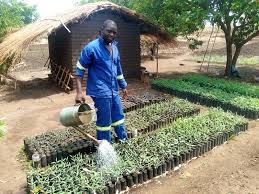
For Large-Scale Mining Operations Under the SADC Responsible Mining Agenda
Indigenous restoration programmes for the new generation of large-scale open-pit operations — chrome, platinum, copper, iron ore, and lithium mines feeding the global energy transition. Active mines are now under measurable ESG pressure: Scope 1, 2 and 3 carbon disclosure, concurrent rehabilitation of disturbed land, buffer-zone restoration, and watershed protection. Designed against IFC Performance Standards, ICMM, the Equator Principles, and the SADC Responsible Mining Initiative.
The Regulatory Context
Why active mining operations are now in the spotlight
The mining sector across SADC is in a structural shift. Energy transition demand is driving rapid expansion of chrome, PGM, copper, iron ore, and lithium operations — and the regulatory and financier response has shifted in step. In June 2026, WWF Zimbabwe launched its 2026–2030 Strategic Plan and the SADC Region project on responsible mining, convened with the Ministry of Mines and Mining Development and the Ministry of Environment, Climate and Wildlife. The Permanent Secretary for Mines confirmed environmental and rehabilitation obligations will be enforced without exception. Combined with IFC Performance Standards, ICMM Mining Principles, Equator Principles, LME responsible sourcing, and EU Carbon Border Adjustment exposure, active mining operations now face concurrent environmental obligations that cannot be deferred to mine closure.
What is required
- Concurrent rehabilitation of disturbed land while mining is active
- Quantified Scope 1, 2 and 3 carbon disclosure and reduction pathway
- Buffer-zone restoration around active concessions
- Watershed protection downstream of tailings and discharge
- IFC Performance Standard 6 environmental due diligence for project finance
Consequences of non-compliance
- Regulatory enforcement actions by national authorities across SADC
- Loss of project finance eligibility under IFC/Equator-aligned lenders
- Exclusion from LME and EU supply chains under responsible sourcing requirements
- EU Carbon Border Adjustment (CBAM) exposure on mineral exports
- Reputational and licence-to-operate risk with host communities and governments
The Marillion solution
- Indigenous woodlots planted concurrently with active mining
- Verified ARR and BCR carbon credits offsetting operational emissions
- Buffer-zone and watershed planting around live operations
- Long-term restoration converting disturbed land into living forest
- Diamond Standard audit trail satisfying IFC, ICMM, and Equator buyer requirements
The Status Quo
The new mining boom — and the footprint it leaves.
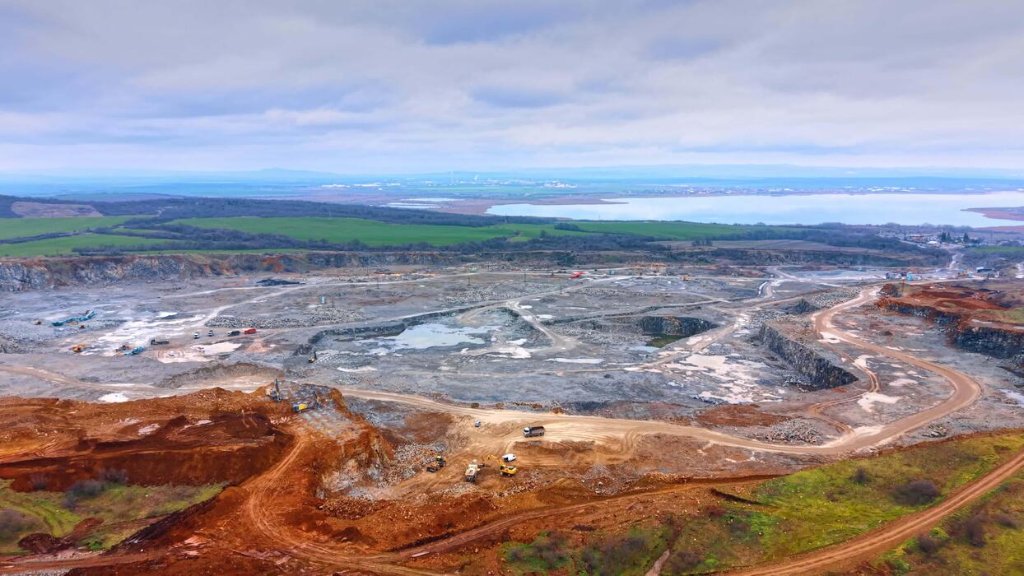
Active open-pit operations — chrome, copper, iron ore, PGMs, lithium — clear thousands of hectares of indigenous woodland across SADC every year.
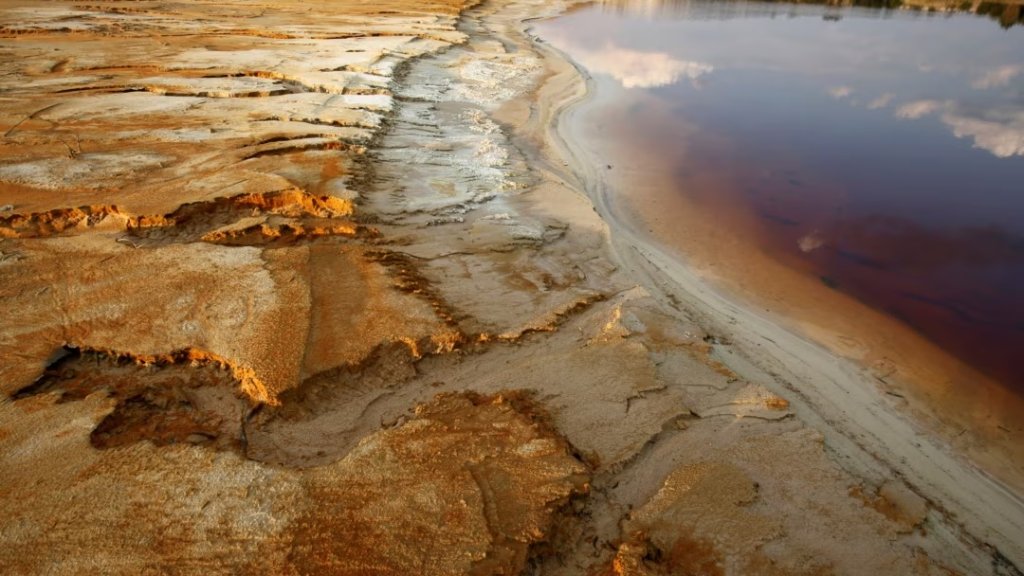
Tailings and process water from active operations degrade watersheds that downstream communities, livestock, and wildlife depend on.
The energy transition mineral boom is reshaping Southern Africa. Zimbabwe alone now hosts the largest lithium reserves on the continent (Arcadia, Bikita, Sandawana) alongside its established chrome and PGM industries on the Great Dyke. The Zambian and DRC Copperbelt is expanding to meet global electrification demand. South African PGMs, Mozambique graphite, and regional iron ore continue at scale. Every active concession represents lost habitat, displaced wildlife, fragmented watersheds, and exposed soils releasing carbon for decades. The SADC Responsible Mining agenda means these impacts must now be measured, disclosed, and reversed — while operations continue, not at closure. The most credible reversal pathway is indigenous restoration delivered concurrently with mining, at scale.
Why MarillionEx
Turn Your Operating Liabilities into Assets
Concurrent rehabilitation, not closure deferral
Indigenous woodlots designed to be planted alongside active mining operations — not deferred to closure. Phased establishment across disturbed land, buffer zones, and community-adjacent areas. Satisfies EMA environmental requirements, IFC Performance Standard 6, and ICMM rehabilitation principles year on year, not at end of life.
Verified ARR + BCR carbon credits
Every restored hectare generates Afforestation/Reforestation (ARR) credits from indigenous trees and Biochar Carbon Removal (BCR) credits from the pyrolysis loop. Use them to offset operational Scope 1, 2 and 3 emissions across smelters, haul fleets, and processing — or sell them on the voluntary market. Diamond Standard certified.
30-year turnkey restoration
We design, plant, monitor and certify every hectare under the locked Marillion methodology — 1,666 stems per hectare, indigenous species only, 25% buffer pool, 30-year permanence. Zero internal forestry expertise required. Field officers, satellite verification, and annual reporting included for the operating life of the mine and beyond.
Financier-ready documentation
Audit-grade ESG reports, credit issuance certificates, and satellite-verified planting data suitable for lender reporting, compliance submissions, and voluntary market positioning. Supports IFC, ICMM, Equator, and LME responsible sourcing audits throughout the operating life of the mine.
Designed Against
The Numbers
Programme economics
Key figures from the MarillionEx locked methodology. These are verified project-level metrics, not projections.
Establishment cost
$4,749/ha
Fully financed by Marillion
Project IRR (Year 15)
11.1%
Timber + carbon blended return
Net timber revenue
$21,532/ha
Over 30-year project life
Landowner revenue share
20%
Paid directly to farmer
How to Engage
Three steps to concurrent restoration
Step 01
Scoping & obligation mapping
We map your active concession footprint, current and projected disturbed hectares, financier covenants, EIA conditions, and Scope 1-2-3 carbon disclosure obligations against our restoration eligibility criteria. Typically a 60-minute call followed by a written proposal.
Step 02
Design & methodology lock
Marillion field officers conduct GPS surveys and satellite analysis on eligible plots across the active concession, adjacent buffer zones, and downstream watersheds. We produce a phased restoration design — species mix, planting schedule, yield projections, and credit forecast — calibrated to your mine life and expansion plans.
Step 03
Plant, certify & report
We plant, protect, monitor and certify every hectare under the Diamond Standard protocol, on rolling annual cycles alongside your operations. You receive annual ESG reports, credit issuances, and audit-grade documentation supporting financier covenants, regulator reporting, and voluntary market positioning — throughout the operating life of the mine.